
Nobody Saw This Coming
Paraguay opened their tournament with a 4-0 thrashing at the hands of the United States. They were written off. Done. One of the weakest teams in the competition.
Then they knocked out Germany 4-3 on penalties.
Germany. Four-time world champions. One of the pre-tournament favourites. Out in the Round of 32, sent home by the same team everyone had already forgotten about.
And that was not even the most surprising thing that happened.
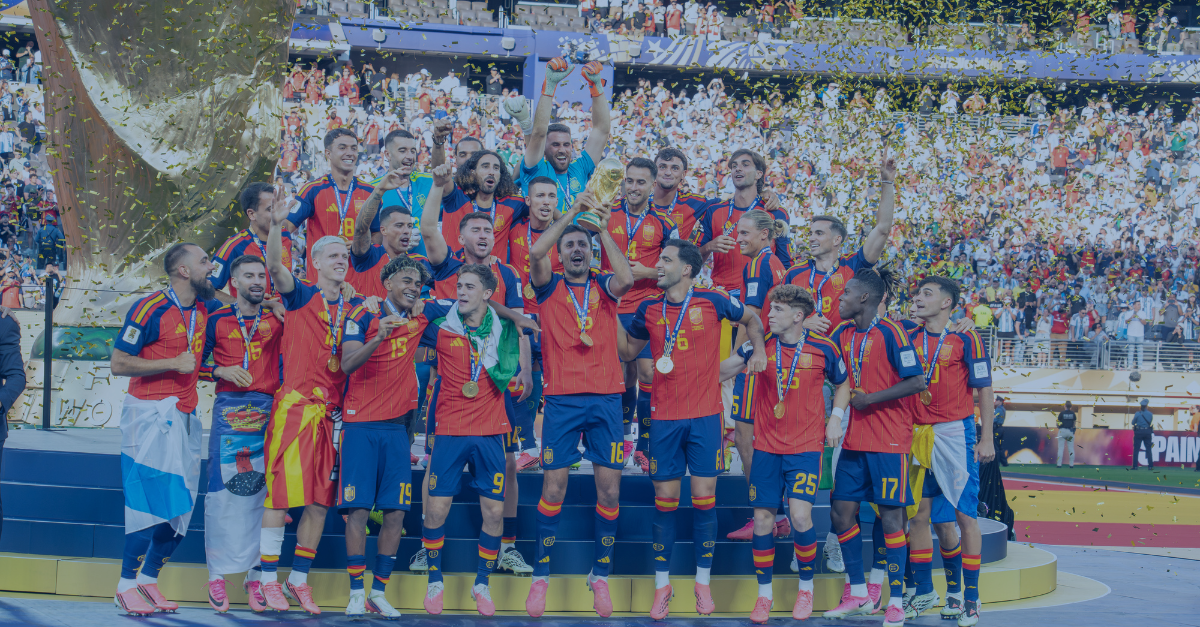
Cape Verde, an island nation of barely 525,000 people ranked 67th in the world, held Spain to a goalless draw in the group stage. Spain, who went on to win the entire tournament. The same Spain that beat Argentina 1-0 in extra time in the final on Sunday.
All three host nations, the United States, Canada, and Mexico, were knocked out in the Round of 16.
Defending champions Argentina, led by Lionel Messi in what is likely his final World Cup, could not manage a single shot on target in the final.
Nobody predicted any of this. Not the pundits, not the bookmakers, not the coaches. The tournament followed its own logic, not the one everyone projected onto it.
Sound familiar?
Markets Work the Same Way
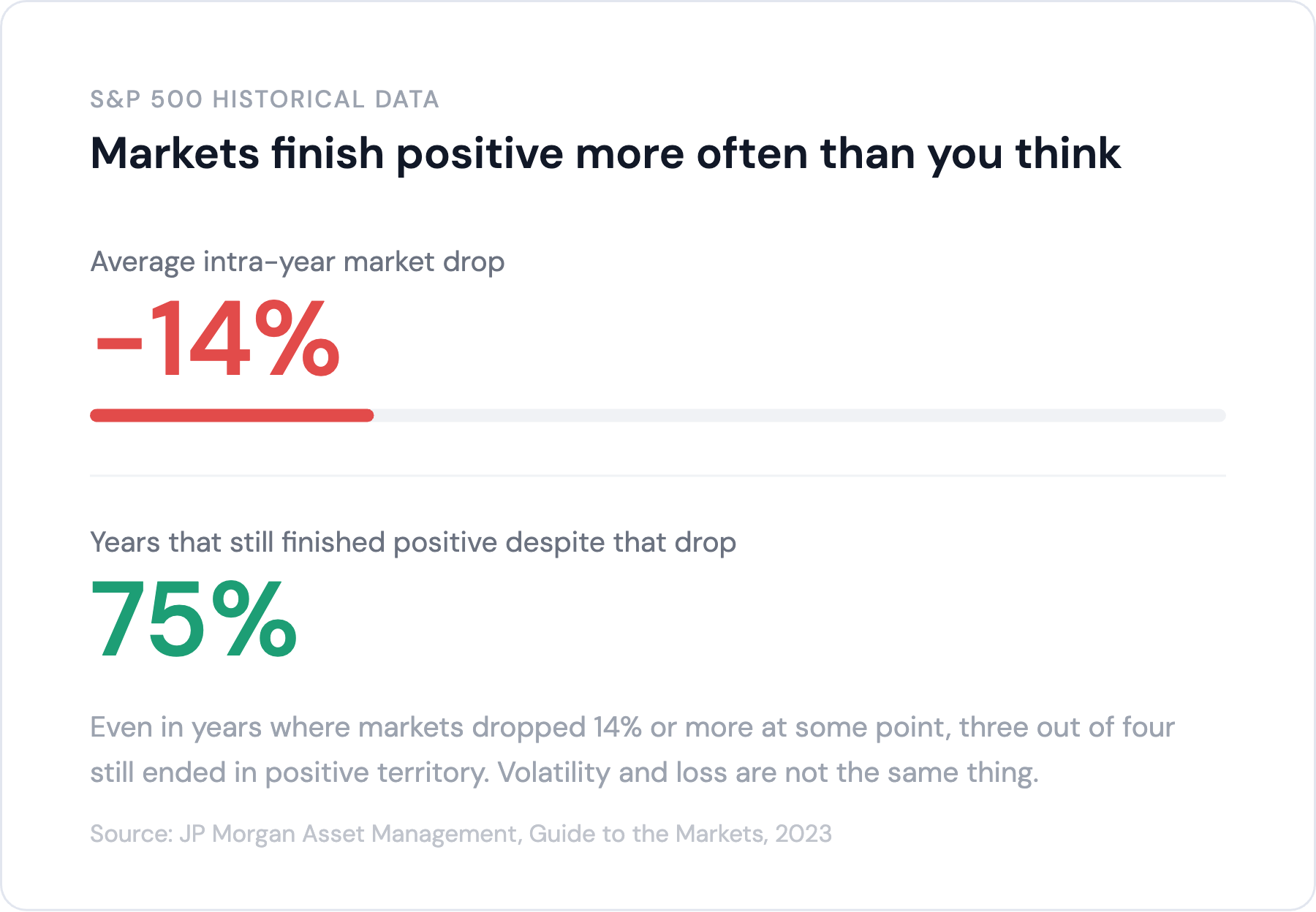
Every year, the world’s smartest investors, analysts, and economists make their predictions for what markets will do. Every year, something happens that was not in the forecast.
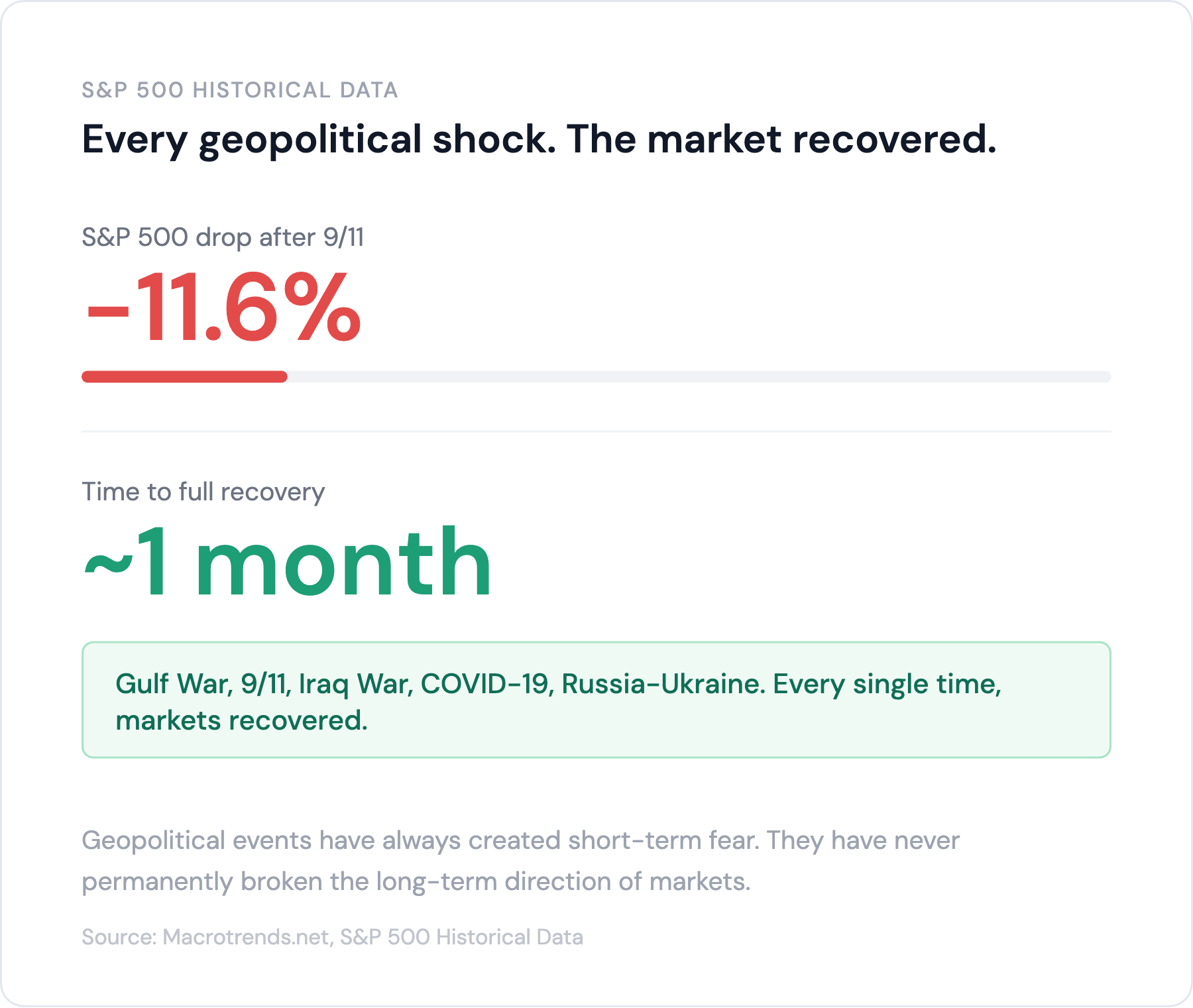
A pandemic. A war. A banking crisis. A trade dispute that spirals faster than anyone expected.
No matter when you are reading this, there is almost certainly something happening in the world right now that nobody fully predicted six months ago. That is not pessimism. That is just the pattern.
The lesson from the World Cup, and from markets, is not that predictions are useless. It is that outcomes are driven by things that happen on the field, not the odds on the board before kick-off.
Spain started their tournament by drawing with Cape Verde. On paper, that was a bad result. But they kept playing their game, trusted their system, and ended up lifting the trophy. Investors who stay the course through the messy middle tend to end up in a similar place.
The Favourites Do Not Always Win. But the Patient Ones Usually Do.
Here is something worth thinking about. Germany did not lose because they were a bad team. They lost because Paraguay played an extraordinary game on one specific night. Germany’s quality over a full season, a full year of football, would still put them among the best in the world.
Short-term results and long-term quality are two completely different things.
Markets work the same way. A bad quarter does not make a good company a bad investment. A rough year does not erase a decades-long track record. The underlying value is still there, even when the scoreboard looks ugly in the moment.
The investors who panic when Germany loses to Paraguay are the ones who sell at the bottom. The ones who remember that Germany is still Germany are the ones who stay invested and come out ahead.
Volatility Is Not a Bug. It Is the Game.
Nobody watches the World Cup expecting every result to go according to plan. The upsets are part of what makes it worth watching. The drama, the chaos, the moments nobody saw coming. That is the tournament.
Markets are the same. Volatility is not a sign that something is broken. It is the nature of the thing. Prices move because information changes, because events happen, because people react. Trying to avoid that volatility entirely means sitting on the sidelines while everyone else is playing.
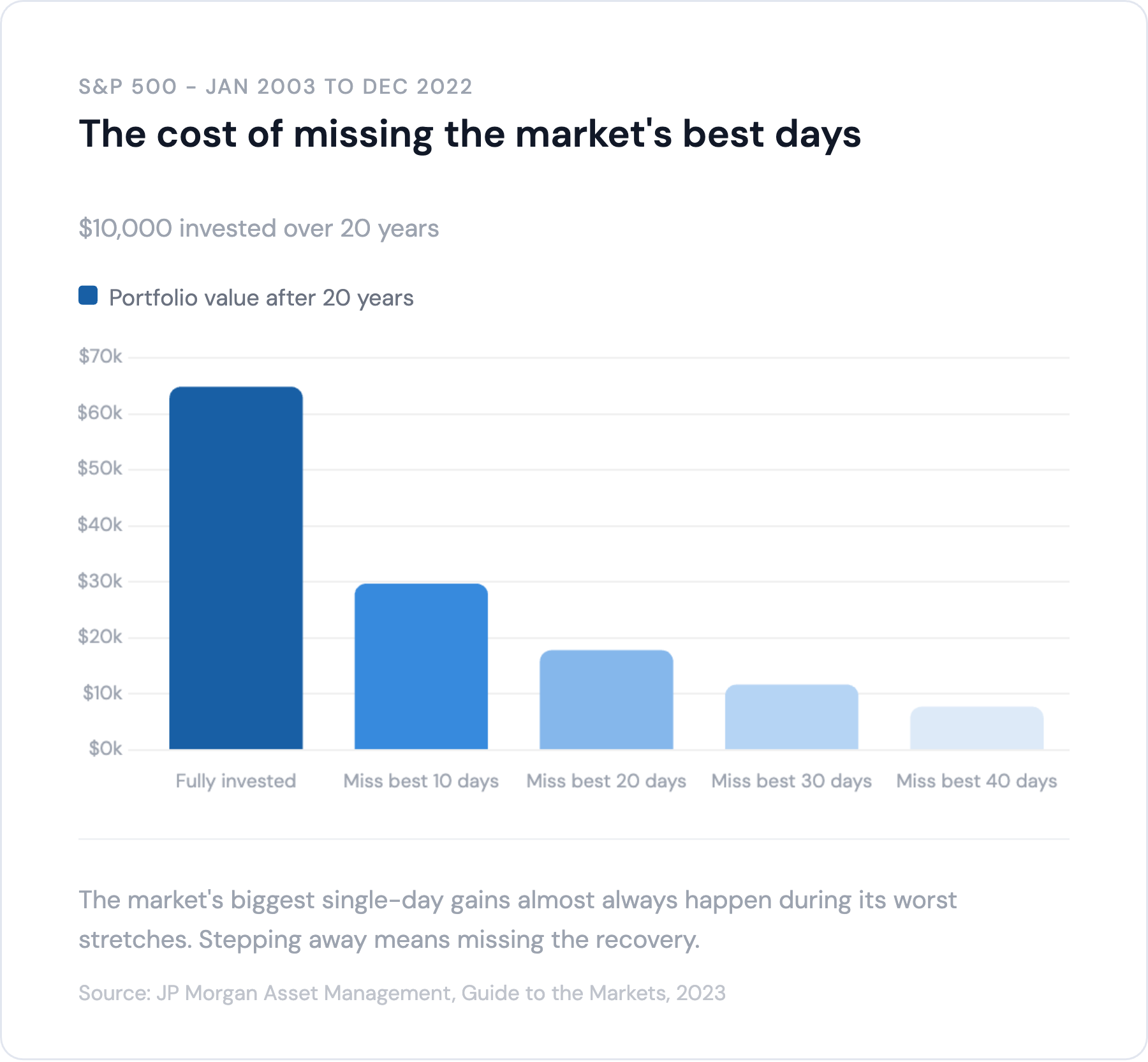
And here is the hard truth about sitting on the sidelines: you do not just miss the bad days. You miss the good ones too. And in markets, the good days tend to be very, very good.
According to JP Morgan’s Guide to the Markets, if you missed just the 10 best trading days in the S&P 500 over a 20-year period, your returns were cut nearly in half. Those best days almost always happen right in the middle of the worst stretches, exactly when most people have already stepped away.
What a Good Coach Does
After Cape Verde drew Spain in the group stage, nobody expected Spain to go on and win the World Cup. But their coach Luis de la Fuente did not tear up the game plan. He did not start making desperate changes out of panic. He trusted the system, made smart adjustments, and kept his players focused on what they could control.
That is exactly what a good financial advisor does during volatile markets.
Not reacting to every headline. Not making dramatic changes because of one bad result. Reviewing the plan, making adjustments where they actually make sense, and keeping the long-term outcome in focus when everything around you feels uncertain.
The investors who come out ahead are rarely the ones who made the boldest moves during the storm. They are the ones who had a plan, a good coach in their corner, and the discipline to stick to it.
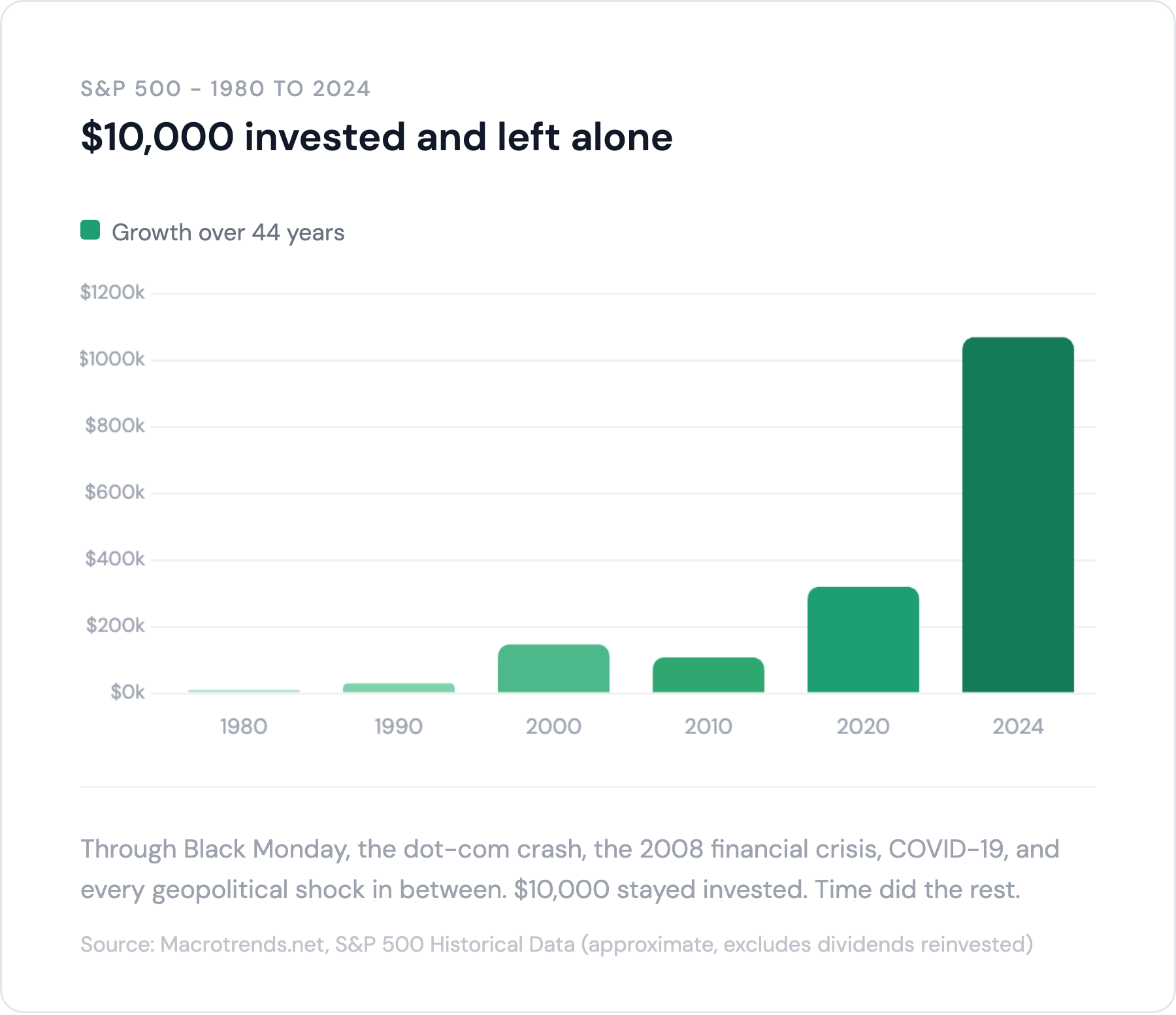
The Bottom Line
Nobody predicted Paraguay knocking out Germany. Nobody predicted Cape Verde drawing Spain. Nobody predicted all three host nations going out in the same round.
And nobody can predict exactly what markets will do next month either.
But here is what we do know. Spain kept playing their game through every upset, every unexpected result, every moment the tournament threw something at them. And they lifted the trophy.
Your financial plan was built the same way. Not to predict every twist. To outlast them.
Book an online consultation or reach out to our team.. We will walk through how your financial plan is positioned, review your coverage, and make sure that no matter what the market or the world throws your way, your family and your finances are protected.